
How Regular Load Cell Maintenance Saves Calibration Costs?

Accurate weighing is the backbone of industries such as logistics, mining, construction, manufacturing, and agriculture. Whether it’s a weighbridge at a factory gate or an industrial scale on a production line, even the smallest inaccuracy can lead to financial loss, compliance risks, and customer disputes.

At the core of every weighing system lies one critical component — the load cell. While most businesses focus heavily on calibration, many overlook the fact that regular load cell maintenance is one of the most effective ways to reduce calibration costs.
Let’s understand why.
What Is a Load Cell and Why Does It Matter?
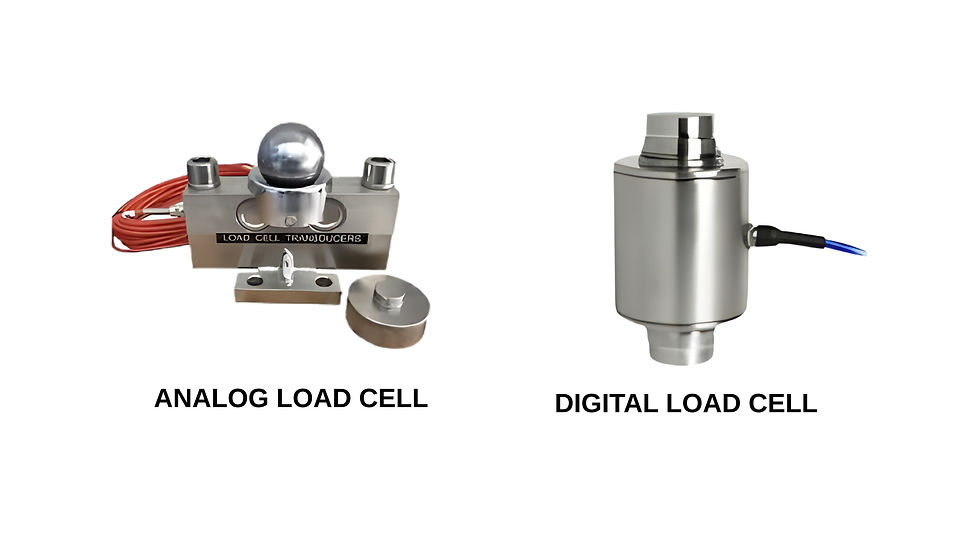
A load cell is a precision sensor that converts weight into an electrical signal. Every weight reading displayed on your weighbridge or weighing system comes from the load cells installed underneath.
If even one load cell becomes dirty, damaged, misaligned, or overloaded, the entire weighing system begins to produce unstable or inaccurate readings. This often leads to frequent calibration, service calls, and sometimes even legal disputes over incorrect weight data.
The Real Reason Behind Frequent Calibration
Many facilities recalibrate their weighing systems multiple times a year. While calibration is important, frequent recalibration is often a sign of a deeper problem — unhealthy load cells.
Common causes include:
Dust, mud, and debris around the load cells
Moisture entering the sensor
Corroded cables and connectors
Uneven load distribution
Mechanical stress or overloading
These issues cause the load cell output to drift, making the system go out of tolerance much faster. As a result, calibration must be repeated again and again, increasing operational costs.
How Load Cell Maintenance Reduces Calibration Costs?
1. Maintains Measurement Stability
A clean and well-protected load cell produces stable output signals. When signals remain stable, calibration holds for a longer period, reducing how often recalibration is required.
This directly lowers:
Technician visits
Test weight usage
Production interruptions
2. Prevents Signal Errors
Moisture, corrosion, or damaged cables introduce electrical noise into the system. This creates fluctuations in weight readings, forcing technicians to recalibrate more frequently.
Routine inspection and cleaning ensure:
Strong electrical connections
Noise-free signals
Faster, more reliable calibration
3. Detects Small Issues Before They Become Costly
Small cracks, slight corrosion, or minor overload damage may not immediately stop a load cell from working — but they slowly destroy accuracy.
Regular maintenance helps identify these issues early, allowing for:
Simple repairs instead of full replacement
Lower service costs
Fewer emergency breakdowns
4. Extends Load Cell Life
Load cells are designed to last many years when properly maintained. Without care, they fail early, leading to:
High replacement costs
Installation expenses
Fresh calibration after every replacement
Maintained load cells last longer, keeping your calibration costs under control.
5. Improves Compliance and Audit Performance
When load cells are healthy, your weighing system stays within tolerance for longer periods.
This means:
Fewer failed audits
Reduced re-verification costs
Better trust from customers and regulators
What Should Regular Load Cell Maintenance Include?
A simple maintenance routine can save significant money over time. It should include:
Visual inspection of load cells and cables
Cleaning dirt, dust, and debris
Checking for moisture, rust, or oil
Ensuring free movement of the load cell
Verifying correct load distribution
Monitoring zero balance and output stability
These checks can be done monthly or quarterly depending on usage.
Calibration Works Best When Load Cells Are Healthy
Calibration is not meant to compensate for damaged or neglected load cells. It is designed to fine-tune a stable system. When the load cells are well maintained, calibration becomes:
Faster
More reliable
Less frequent
Less expensive
Conclusion
Regular load cell maintenance is not just a technical best practice — it is a smart financial decision. By keeping your load cells clean, protected, and mechanically sound, you reduce the need for frequent recalibration, avoid costly failures, and maintain consistent weighing accuracy.
In the long run, a small maintenance effort saves large calibration expenses and protects the credibility of your weighing system.
KANTA KING
Website: https://www.kantaking.com/
Contact Us: +91.9560915555
Email: info@kantaking.com


Comments